
Have you ever noticed dark patches around your windows or behind a wardrobe and thought, “It’s just a few black spots. I’ll wipe them off tomorrow”? Unfortunately, mould is more than a cosmetic issue. It is a living organism that can quietly spread through your home, affecting both your health and your property.
In this article, we explore how moisture creates favourable conditions for mould growth, the problems hidden mould can cause, and the practical steps you can take to protect your home and family.
1. Where Does Moisture Come From? Hidden Sources in Your Home
Before tackling the consequences, we need to identify the cause. In modern homes, excess humidity often results from a combination of two factors: high moisture production and inadequate ventilation.
- Everyday activities: Cooking without an extractor hood, drying laundry indoors and taking long, hot showers all release moisture into the air.
- Breathing and houseplants: Occupants and indoor plants also contribute to humidity through breathing and transpiration. Together with everyday household activities, this can introduce substantial amounts of moisture into the home.
- Building defects and thermal bridges: Inadequate insulation, roof leaks and rising damp can all contribute to moisture problems. Thermal bridges are another common factor. These are areas where heat passes through the building envelope more readily, such as around concrete columns, ring beams and window frames. Their internal surfaces can become cold enough for moisture in the air to condense.
When indoor relative humidity remains above 60%, the risk of mould growth increases, particularly on cold surfaces and in poorly ventilated corners.
2. The True Cost of Mould: Health, Property and Hidden Growth
Many people dismiss mould as an unpleasant sight. Its effects, however, can extend beyond appearance.
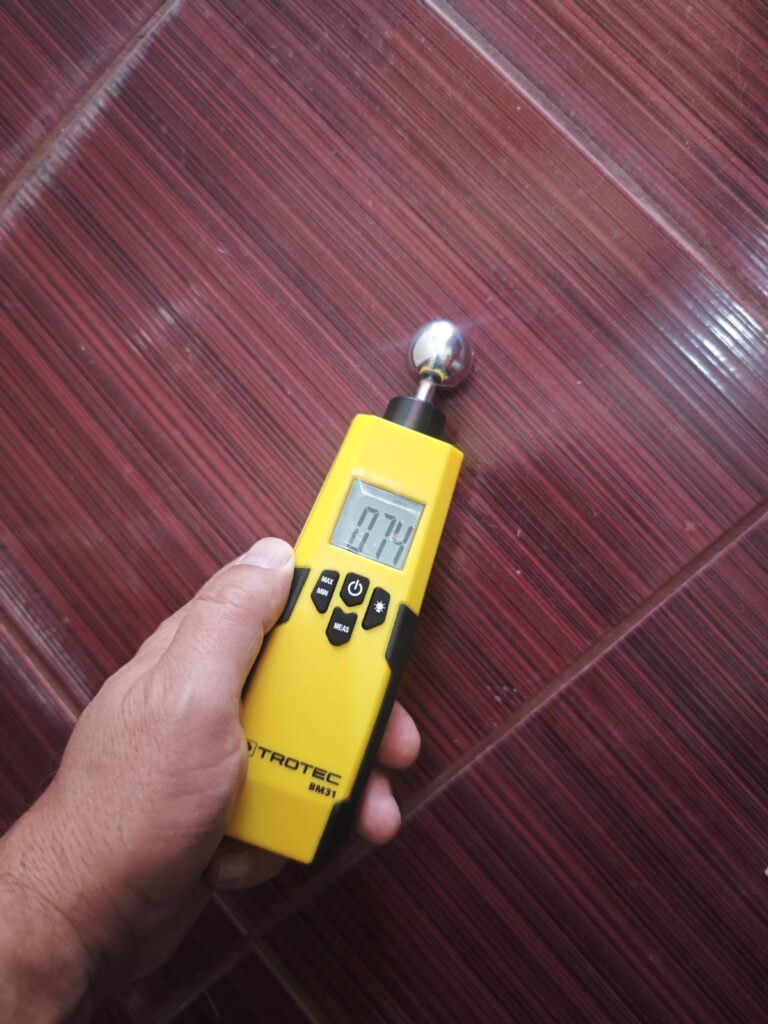
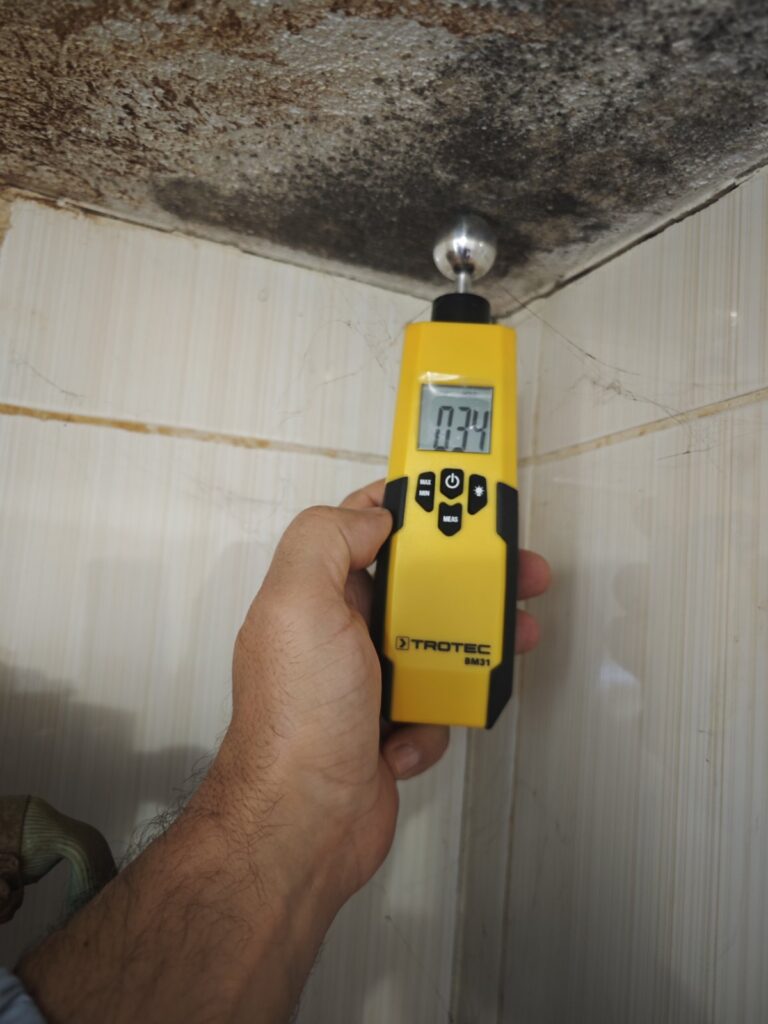
- Hidden mould: Mould can grow out of sight behind large furniture, beneath wallpaper or within damp building materials. Professional investigations may involve moisture measurements, visual checks and targeted inspection of concealed areas. UV light may help reveal some surface fluorescence, but it cannot reliably identify mould on its own or detect growth deep within walls.
- Respiratory problems and allergies: Airborne mould spores and fragments can trigger allergic reactions and irritate the airways. Exposure may contribute to coughing, a blocked nose and throat irritation, and can worsen asthma symptoms.
- Vulnerable occupants: Young children, people with asthma or allergies, and those with weakened immune systems may be particularly susceptible to damp and mould. Persistent symptoms that seem worse at home warrant attention, although they can have many possible causes.
- Damage to your home: Mould can grow on wallpaper, timber, plasterboard and other damp surfaces. Persistent moisture can damage finishes and building materials, while visible mould and unresolved damp problems can affect a property’s appeal and value.
3. Practical Steps: How to Control Damp and Prevent Mould from Returning
Wiping away mould or applying a cleaning product will only provide temporary relief if the underlying moisture problem remains. A lasting solution requires several coordinated steps.
- Investigate with thermal imaging: If the source of a recurring mould problem is unclear, a thermal imaging inspection can help locate cold surfaces and patterns associated with thermal bridges or possible moisture. Findings should be assessed alongside moisture measurements and the building’s construction before deciding on insulation or repairs.
- Provide effective ventilation: Open windows fully for short periods several times a day, where practical. Use effective bathroom extractor fans and a kitchen extractor hood that vents outdoors.
- Consider a dehumidifier: A suitable dehumidifier can help control humidity in rooms with persistent moisture problems, particularly bedrooms and spaces where laundry is dried. It supports moisture control while the underlying causes are addressed.
- Use thermometers and hygrometers: Monitor indoor temperature and relative humidity. A practical target is around 40–50% relative humidity, while also keeping rooms adequately heated to reduce condensation on cold surfaces.
- Clean affected areas appropriately: Small areas of surface mould may be cleaned using a product suitable for the material, following the manufacturer’s instructions. Wear gloves, suitable respiratory protection and eye protection, and ventilate the area. Avoid dry brushing or mixing cleaning chemicals. Extensive, recurring or concealed mould may require professional treatment and replacement of affected porous materials.
Conclusion
A clean, dry home supports both comfort and health. Whether the problem involves hidden thermal bridges, excessive humidity or concealed mould, the key is to identify the moisture source and take timely, appropriate action. Addressing the cause is essential to preventing mould from returning.